

Stop looking at the engagement metrics and start looking at the actual gameplay loop. Every community manager’s handbook will tell you that you need a massive, expensive influencer campaign or a flashy seasonal event to fix a dying player base, but that’s just expensive noise. If the core mechanics don’t give people a reason to log in when there isn’t a new skin dropping, you aren’t dealing with a marketing problem; you’re dealing with a vacuum. Most people fail at figuring out how to keep a community alive in a quiet patch because they try to manufacture hype instead of providing actual substance for the players who are still there.
I’m not here to give you a roadmap of “synergistic engagement strategies” or any other corporate nonsense. I’ve spent enough time in dead lobbies to know that players don’t want a livestream; they want a reason to compete or a new way to master the existing systems. I’m going to break down the specific, low-cost mechanics that actually work to prevent a ghost town, focusing on tangible player incentives rather than empty promises. No fluff, no hype—just the mechanics that keep the grind from feeling like a wall.
Table of Contents
Combatting Community Stagnation With Actual Substance

Most devs think they can fix a dry patch by dropping a cosmetic skin bundle or a “community appreciation” tweet. It doesn’t work. If the meta is stale and there’s nothing new to master, people aren’t going to log in just because you sent a newsletter. Combatting community stagnation requires more than just fluff; it requires giving players a reason to actually engage with the mechanics again. You need to introduce something that shifts the current equilibrium—a new way to play, a new way to compete, or a new way to fail.
If you want to actually succeed at increasing member participation rates, stop looking at the social media metrics and start looking at the gameplay loop. People stay when they feel like they’re getting better at something. If the current patch offers zero skill expression, the community will drift. You don’t need a massive expansion; you just need a meaningful tweak to the core loop that forces players to rethink their current builds. Give them a problem to solve, or they’ll just go find a different game to solve.
Nurturing Digital Social Spaces Beyond the Hype

Stop treating your Discord or subreddit like a billboard for patch notes. If the only time people hear from the devs is a “we’re working on it” post during a content drought, they aren’t going to stick around. You can’t just shout into a void and expect people to start talking back. Real nurturing digital social spaces requires moving away from one-way announcements and actually giving people something to do that isn’t just waiting for the next DLC.
I’ve seen too many groups die because they lacked a reason to exist between major updates. If you want to focus on building community loyalty, you have to create micro-incentives. This isn’t about grand giveaways; it’s about small, repeatable loops. Run a weekly high-score challenge, host a low-stakes theory-crafting session, or just open up a dedicated channel for people to vent about specific mechanics. If the space feels like a graveyard, no amount of marketing will fix it. You need to give them a reason to log in that doesn’t involve a progress bar.
Five ways to stop the bleed when the patch notes are empty
- Stop the “developer update” fluff. If there’s no new content, don’t send out a polished video of a concept art piece that won’t be in the game for a year. It just reminds people they have nothing to actually play. Instead, drop a dev diary that addresses the specific friction points—like that one bugged hitbox or the broken economy—to show you’re actually watching the telemetry.
- Give the veterans something to do that isn’t just grinding a dead loop. If the meta is solved and the new players are non-existent, launch a community-run tournament or a specific challenge mode. It gives the people who are still actually playing a reason to log in and show off, rather than just sitting in a Discord channel waiting for the next seasonal drop.
- Fix the “low-level” friction. When a patch is quiet, the casuals drift away first. If you can’t give them new content, make the existing content less of a chore. Smooth out the UI, fix the matchmaking wait times, or tweak the tutorial flow. It’s not “new content,” but it makes the time they do spend in-game feel less like a second job.
- Don’ically incentivize the social side. If the gameplay loop is stalling, pivot to the social loop. Host Q&As, run community polls that actually impact minor cosmetic decisions, or create dedicated spaces for theory-crafting. You need to move the conversation from “when is the next update” to “how do we optimize this specific build.”
- Don’t ignore the ghost towns. If a specific sub-community or a certain way of playing is dying because of a balance patch, acknowledge it. Don’t just let it fade. Even a small, targeted tweak to a niche mechanic can signal to those players that they haven’t been completely abandoned in favor of the “meta” players.
The bottom line
Stop chasing “engagement metrics” and start building mechanics that actually require players to interact with each other to progress.
If your social spaces are just empty lobbies waiting for a patch, you’ve already lost; give them something to do while the devs are silent.
High-quality, niche content beats a massive, shallow update every single time when you’re trying to stop a player base from drifting.
The Bottom Line
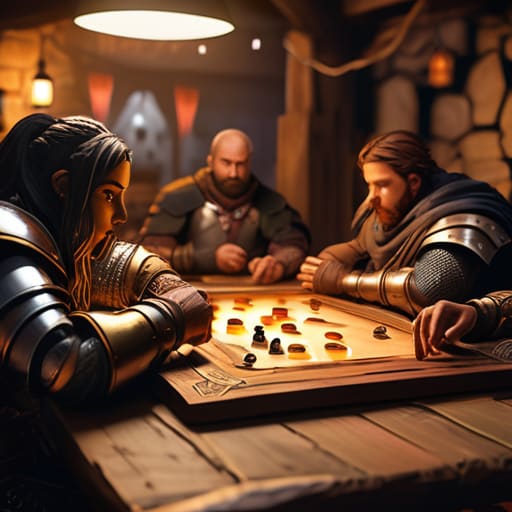
Look, keeping a community from flatlining during a dry patch isn’t about throwing a single, expensive skin into the shop or hosting a meaningless giveaway that everyone ignores. It’s about the stuff we actually talked about: giving players mechanical hooks to chew on and building social spaces that don’t feel like empty lobbies. If the loop is broken or the map feels dead, no amount of marketing fluff is going to save the player count. You have to focus on the substance of the gameplay and the actual utility of your social hubs. If players feel like they have something to do and someone to do it with, they stay. If they’re just staring at a loading screen waiting for a patch that never comes, they’re gone.
At the end of the day, a game lives or dies by its momentum, but that momentum doesn’t always have to come from a massive expansion. Sometimes, the most important thing a developer can do is respect the players who are still there by providing consistent, meaningful engagement rather than chasing the next hype cycle. Don’t build a ghost town and then wonder why nobody is talking. Build a foundation that survives the quiet times, and the community will do the rest of the heavy lifting for you. Stop chasing the peak and start protecting the base.