

Stop listening to the “git gud” crowd. It’s the most useless, condescending piece of advice in gaming, usually spat out by someone who spent forty hours grinding a specific gear set just to bypass a poorly designed difficulty spike. They act like frustration is a personal failure of skill rather than a reaction to garbage game design. If you’re staring at a boss for the twentieth time, wondering how to play a hard mode without rage, the answer isn’t “try harder”—it’s recognizing when the game is actually testing your mechanics versus when it’s just exploiting your patience with cheap RNG or artificial stat bloat.
I’m not here to give you a motivational speech or tell you to “embrace the challenge.” I’m going to show you how to actually dissect a fight. I’ll break down how to identify telegraphed patterns from random bullshit, which settings actually affect your input lag, and how to stop the death spiral of tilting. This isn’t about hype; it’s about practical, repeatable execution so you can actually enjoy the game instead of just surviving it.
Table of Contents
Decoding Boss Patterns Instead of Fighting the Grind
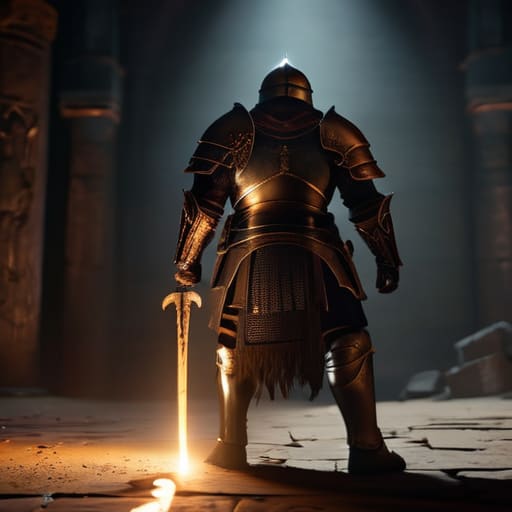
Most people treat a boss fight like a brawl, just mashing buttons and hoping they hit something before they die. That’s how you end up tilted. If you’re dying to the same three-hit combo over and over, you aren’t “bad at the game,” you just haven’t actually looked at the animation frames. Stop trying to power through the health bar and start looking for the tell. Every boss has a specific wind-up—a slight shoulder twitch, a weapon glow, or a specific sound cue—that signals the attack. Once you identify that specific trigger, the fight stops being a chaotic mess and becomes a predictable sequence.
This is where improving gaming focus actually matters. If you’re playing on autopilot, you’re going to get punished. You need to treat every death as a data point, not a failure. Instead of venting because you lost your progress, look at the exact millisecond your character took damage. Was it a mistimed dodge or did you just fail to respect the hitbox? Treating the encounter like a logic puzzle rather than a test of reflexes is the best form of gaming tilt prevention I’ve found. If the pattern is learnable, the rage is optional.
Improving Gaming Focus Through Tactical Observation

Most people think they’re losing because their reflexes are slow, but usually, it’s because their eyes are wandering. If you’re staring at your character’s health bar or the flashy particle effects every time an explosion happens, you’ve already lost. Improving gaming focus isn’t about staring harder; it’s about narrowing your field of vision to the specific tells that actually matter. I spent three months playing a soulslike thinking I was “bad,” until I realized I was watching the boss’s weapon instead of the boss’s shoulders. The weapon is the consequence; the shoulder movement is the input.
You also need to treat your mental state like a resource bar. When you feel that heat rising in your chest—that specific, jittery sensation right before you smash a controller—you are experiencing tilt. Gaming tilt prevention isn’t some pseudo-spiritual zen bullshit; it’s a tactical reset. If you miss three parries in a row, stop. Stand still for ten seconds. Look at your peripheral vision. If you try to power through a losing streak while your heart rate is at 110 BPM, you aren’t playing the game anymore; you’re just reacting to your own adrenaline.
Five Ways to Stop Tilting and Start Winning
- Stop the “one more try” loop when your hands are actually shaking. If you’ve died to the same phase three times in a row because your reaction time is lagging, you aren’t “getting close,” you’re just practicing failure. Walk away for ten minutes. Your brain needs to reset the pattern recognition, not just mash buttons harder.
- Audit your input delay. I spent six months wondering why I was missing parries in Elden Ring only to realize my wireless controller was eating 40ms of latency. If you’re playing on hard mode, every millisecond counts. Plug in, check your polling rate, and stop blaming your skill for your hardware.
- Separate “skill walls” from “stat walls.” If you can see the boss’s tell but your character just doesn’t have the health to survive the mistake, that’s a grind wall. Stop trying to outplay a math problem. Go farm the specific gear or level required, or you’re just wasting your time.
- Kill the HUD clutter. Most games overwhelm you with unnecessary UI elements that distract from the actual telegraphs. Go into your settings and turn off everything that isn’t essential to combat. I need to see the boss’s shoulder twitch, not a glowing mini-map or a useless XP bar.
- Stop using “recommended” sensitivity settings. If a pro player says to use a specific DPI, they might be right, but they aren’t you. If you’re overshooting your targets during high-stress boss fights, your sensitivity is too high. Lower it until your muscle memory actually feels stable, even if it feels “slow” at first.
The TL;DR for Not Losing Your Mind
Stop treating every death as a failure and start treating it as data; if you aren’t noting the specific frame a boss telegraphs, you aren’t learning, you’re just mashing.
If a mechanic feels like it’s designed to force a specific, repetitive grind rather than testing your skill, stop trying to “master” it and just find the most efficient way to bypass it.
Check your settings—if you’re tilting, it might not be the boss, it might be your deadzone or a sensitivity spike you’ve been ignoring for three hours.
Stop Tilting and Start Playing

Look, at the end of the day, hard mode isn’t about how much punishment you can take; it’s about how much information you can process. If you’re still smashing your controller, you haven’t actually learned the fight, you’re just reacting to the chaos. Stop treating the boss like an enemy to be beaten and start treating it like a sequence of inputs to be decoded. You need to move away from the mindless grind and toward tactical observation. If you can’t see the telegraphs, you aren’t playing the game—you’re just gambling with your sanity, and the house always wins when you play that way.
The goal isn’t to reach the credits by any means necessary; it’s to reach them because you actually mastered the mechanics. There is a massive difference between winning because you finally found a broken exploit and winning because you perfectly timed a parry after fifty failed attempts. That’s where the real satisfaction lives. Don’t let the artificial difficulty spikes break your focus. Keep your settings consistent, keep your eyes on the tells, and stop letting the RNG dictate your mood. The pattern is always there if you’re actually looking for it.