

Stop watching the “Top 10 Most Powerful Builds” videos before you even launch the game. Most of those creators are just chasing clicks, pushing some hyper-optimized meta that requires you to spend forty hours grinding for a specific tier-three relic just to make the kit viable. If you follow that hype, you aren’t playing the game; you’re playing a spreadsheet. I learned that the hard way during my first massive RPG marathon, where I spent three weeks trying to force a “meta” mage build that actually had zero survivability against basic boss patterns. Knowing how to pick a starting class shouldn’t be about predicting the endgame meta; it should be about whether the kit actually lets you play the game without hitting a massive gear wall in the first five hours.
I’m not here to give you a generic breakdown of elemental affinities or flavor text. I’m going to show you how to look at a class’s frame data, dodge windows, and resource management to see if it actually scales. This is about finding a kit that fits your mechanical skill so you can focus on the boss patterns instead of fighting your own controls.
Table of Contents
Character Archetype Selection vs Real Combat Style Preferences
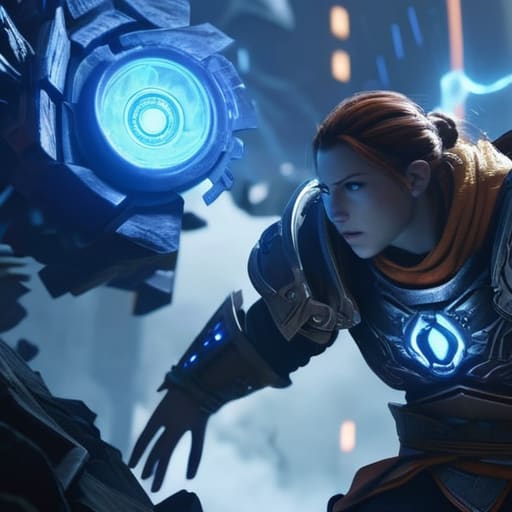
Most guides tell you to pick a class based on how they look in the cinematic trailer. That’s how you end up stuck with a high-damage glass cannon that dies the moment a mob breathes on you. You need to separate character archetype selection from how you actually move your hands. If you’re the type of player who panics and mashes buttons when a boss enters phase two, a high-skill ceiling mage is going to be a nightmare, regardless of how much damage they can theoretically output.
I’ve spent too many hours watching people struggle because their combat style preferences didn’t match their chosen kit. If you prefer reactive, defensive gameplay, don’t pick a class that relies on a complex stat allocation strategy just to survive a single combo. Look at the animation frames. If the dodge window is tight and the recovery time is long, you aren’t playing a “fast” character; you’re playing a character that punishes every single mistake. Match the mechanical rhythm of the class to your own reaction time, or you’ll spend the next twenty hours fighting the controls instead of the enemies.
Avoid the Difficulty Level for Beginners Trap
Don’t fall for the “Easy Mode” bait. Most games will try to sell you on a starting class that promises a smooth experience by lowering the baseline difficulty level for beginners, but that’s usually a trap in disguise. They give you high HP or auto-aim mechanics that feel great for the first two hours, but they often lock you into a rigid stat allocation strategy that makes mid-game scaling a nightmare. You end up with a character that can tank a few hits but lacks the utility needed when the boss patterns actually start getting complex.
I’ve seen too many players realize at level twenty that their “beginner-friendly” build has zero ceiling. If your class relies on passive buffs rather than active engagement, you aren’t actually learning the game; you’re just delaying the inevitable wall. Instead of picking the class that lets you play poorly, pick the one that has the most flexible skill tree progression. You want a kit that is forgiving of a mistake, not one that removes the need to react entirely. If you can’t adapt your playstyle once the mechanics get heavy, you’ve wasted your first ten hours.
Stop Choosing Based on the Trailer
- Ignore the flashy skill animations. A class that looks like a god in a 30-second cinematic might have a frame data profile that makes it impossible to punish a boss between attacks. If the animations don’t have clear startup and recovery windows, you’re going to get punished.
- Check the resource management loop before you commit. Some classes look great until you realize they rely on a “mana” or “stamina” bar that takes ten seconds to regen after a single combo. If the loop is clunky, you’ll spend more time waiting than playing.
- Look at the gear requirement scaling. I’ve seen too many people pick a high-tier DPS class only to realize they hit a hard wall at level 20 because the class requires specific, rare stats to function. If the class demands a niche build just to be viable, you’re signing up for a massive grind.
- Test the mobility kit, not just the damage numbers. If a class has zero dash distance or a heavy movement penalty, you aren’t playing a game; you’re playing a survival horror where you’re the victim. You need to be able to reposition without a three-second windup.
- Verify the “solo-ability” of the kit. If you aren’t planning on being in a permanent party, don’t pick a class that requires a healer or a buffer just to clear basic mobs. You want a kit that can sustain itself, or you’ll spend the entire early game frustrated by your own inability to stay upright.
Stop Choosing Based on Aesthetics
Ignore the flashy skill animations; if the kit doesn’t have enough i-frames or mobility to dodge specific boss patterns, you’re going to hit a wall by level 20.
Look at the cooldown timers, not the damage numbers. A high-DPS class is useless if you’re stuck in a long animation lock while a boss is mid-swing.
Check the gear requirements early. Don’t pick a class that forces you into a soul-crushing grind just to make the basic rotation viable.
Stop Overthinking and Just Play

Look, I’ve spent way too many hours staring at stat spreadsheets instead of actually playing, and it’s a waste of time. If you’ve checked whether the kit actually lets you dodge boss patterns without a massive gear grind and you’ve ignored the “beginner-friendly” marketing fluff, you’re already ahead of most players. Don’t let the fear of a “suboptimal” build stop you from starting. Whether you’re picking for the raw DPS or because you actually enjoy the specific rhythm of a heavy weapon, the goal is to avoid a class that turns the progression into a brick wall halfway through the second act. Just make sure you aren’t picking a class that requires a three-hundred-hour grind just to make the basic mechanics feel fluid.
At the end of the day, no class is “perfect,” and no build is truly broken once the meta shifts. You’re going to make mistakes, you’re going to misread a skill tree, and you might even realize ten hours in that you hate your playstyle. That’s fine. That’s part of the process. The most important thing isn’t finding the mathematically superior starting point; it’s picking something that keeps you engaged enough to actually learn the mechanics. Stop looking for the “correct” answer in a guide and go find your own. Just hit start.