

Stop treating your shared stash like a digital junk drawer and wondering why your farming runs feel like they’re dragging through molasses. I see it every single day in high-level lobbies: players with endgame gear sitting in a chaotic mess of unorganized vendor trash and mismatched consumables, completely oblivious to how to use a shared stash well. Most “guides” will tell you to just dump everything in there and call it a day, but that’s how you end up spending twenty minutes every session just scrolling through garbage instead of actually playing the game.
I’m not here to give you some vague, high-level philosophy about “inventory management.” I’ve spent way too many hours staring at spreadsheets and death screens to do that. Instead, I’m going to show you the exact, granular way I categorize my loot to ensure my alt characters are combat-ready in seconds, not minutes. This isn’t about theory; it’s about eliminating the friction between your loot drops and your next run. If you want a system that actually works when you’re deep in a grind, this is it.
Table of Contents
Mastering Shared Resource Management Tips Without the Friction
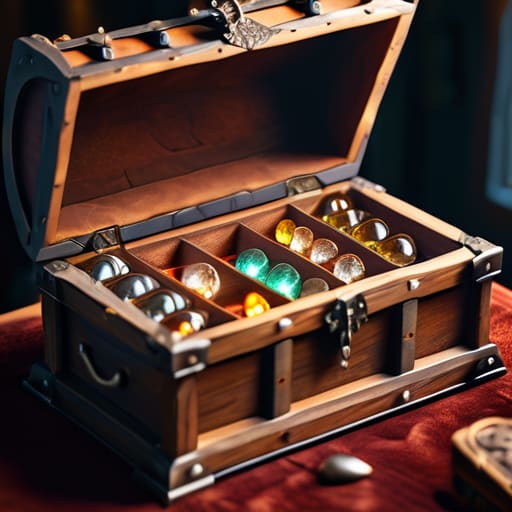
First, stop dumping everything into the middle slot and calling it “organized.” If you’re playing a game with collaborative inventory systems, you need a strict sorting logic or you’ll spend half your playtime just scrolling through piles of useless loot. I use a color-coded tab system: consumables in one, upgrade materials in another, and gear that’s actually worth a damn in a third. If you don’t have a dedicated spot for consumables, you’re going to find yourself mid-boss fight with an empty inventory and a death screen staring you in the face.
When it comes to managing shared inventory logistics, the biggest mistake is hoarding. I’ve seen groups stall out because one player decided to sit on a stack of rare reagents like they were gold bars. If a resource is sitting in the stash and no one is using it to progress, it’s dead weight. Move the stuff you need for the current grind to the top. Don’t let the stash become a graveyard for items you might need in a DLC that isn’t even out yet; if it’s not helping the immediate run, move it to the bottom or get rid of it.
Optimizing Communal Supplies for High Stakes Runs
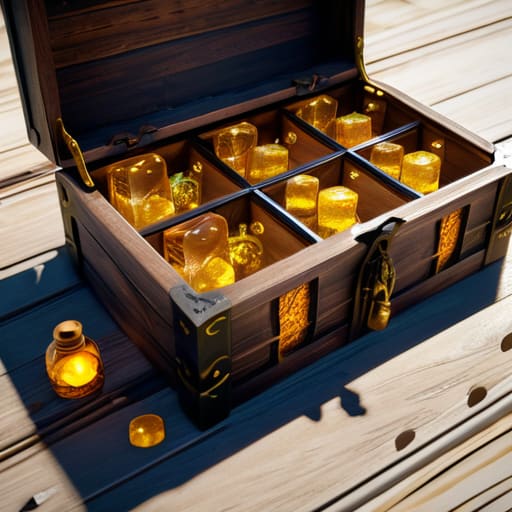
If you’re gearing up for a high-tier raid or a boss rush, your shared stash shouldn’t be a place where you “dump” stuff. It needs to be a staging ground. I’ve lost countless runs because my main character was running into a fight with mid-tier consumables simply because I forgot to move the high-grade stuff from the bank to the active inventory. When you’re optimizing communal supplies, you need a dedicated “Quick-Access” tab. Don’t mix your precious endgame consumables with the random loot you picked up during a mid-tier grind.
The real mistake people make with collaborative inventory systems is treating every character as an island. If you’re playing a group, stop hoarding specialized buffs on a character that isn’t even in the lobby. Map out your essential survival kit—potions, scrolls, or specific elemental resists—and ensure they are sitting in a specific, predictable slot in the shared bank. If I have to spend thirty seconds digging through a pile of junk to find a single strength buff during a boss phase, the run is already dead.
Five Rules for a Stash That Doesn't Suck
- Stop hoarding everything. If you haven’t touched a piece of loot in three full farming sessions, it’s not “potential gear,” it’s clutter. Move the junk to a dedicated vendor bin or just dump it. A crowded stash is a slow stash.
- Tag your high-tier consumables immediately. I don’t care if you think you’ll remember that the blue potions are the ones with the crit buff; you won’t when you’re mid-boss and panicking. Use a specific corner of the stash for “Active Run” supplies so you aren’t scrolling for ten seconds while a boss winds up an attack.
- Set up a “Starter Kit” slot for every character. Every time I swap to a new build, I want a single stack of basic consumables and one piece of mid-tier gear ready to grab. If I have to hunt through twenty tabs just to get my first run going, I’ve already lost my momentum.
- Use the shared stash for “Bridge Gear,” not just endgame stuff. If you’re leveling an alt, don’t keep all your decent intermediate loot on your main. Drop it in the shared stash so the new character can pick it up and skip the most tedious part of the early grind.
- Organize by utility, not by item name. I don’t care if the alphabetical order is clean; I care that all my crafting mats are in one tab and all my consumables are in another. If I have to click through five tabs to find my upgrade materials, the UI is working against me, and I’m not playing along.
The Bottom Line: Stop Wasting Time in Menus
Treat your shared stash as a transit hub, not a storage unit; if an item hasn’t moved in three sessions, it’s clutter and needs to be sold or scrapped.
Set up “pre-run kits” in specific stash slots so you aren’t scrolling through fifty different consumables while a boss timer is ticking down.
Never rely on the stash for mission-critical gear you need for a specific build; if you’re constantly pulling the same set of items out, move them to your character’s actual inventory.
Stop Wasting Time in Menus

Look, the goal here isn’t to turn your shared stash into a digital museum of every piece of loot you’ve ever touched. If you’ve actually implemented what I’ve laid out—sorting your consumables for immediate access, moving high-tier gear to your primary runners, and refusing to let junk accumulate—you’re already ahead of 90% of the player base. You shouldn’t be spending ten minutes scrolling through a cluttered inventory every time you need a single potion or a specific buff item. A clean, categorized stash means you spend more time in the actual game loop and less time fighting a clunky user interface that was clearly designed without player efficiency in mind.
At the end of the day, your stash is a tool, not a collection. If it’s not actively making your next run smoother or your progression faster, it’s just dead weight. Stop treating your inventory like a hoarder’s basement and start treating it like a tactical deployment zone. Once you stop letting the small stuff pile up, you’ll realize how much mental energy you were actually wasting on management. Get your gear sorted, get your settings dialed in, and get back into the fight.