

Stop telling your friends they need to “master the fundamentals” or watch a three-hour video essay before they even touch the mouse. It’s a lie that kills the vibe. I’ve seen it happen a dozen times: you try to be a good mentor, you dump a massive info-dump on them, and within twenty minutes, they’re staring at the floor because they feel like they’re playing a math exam instead of a game. If you want to know how to teach a friend a competitive game without them immediately uninstalling it out of pure frustration, you have to stop acting like a professor and start acting like a teammate.
I’m not here to give you some theoretical “pedagogy of gaming” bullshit. I’m going to give you the actual mechanics of how to bridge that gap. We’re going to talk about isolating specific patterns rather than explaining every single stat, and why you should never, ever touch their sensitivity settings unless they specifically ask. This is about keeping the flow alive so they actually enjoy the climb, rather than hitting a brick wall of bad advice in the first hour.
Table of Contents
Effective Tutorial Strategies That Dont Kill the Vibe

Stop treating your friend like a student in a lecture hall. If you spend forty minutes reading a text box or explaining every single stat, they’re going to alt-tab before the first match even starts. The best effective tutorial strategies involve letting them touch the controls immediately. I usually start by dropping them into a practice range or a low-stakes training mode. Don’t explain the entire meta; just show them the three buttons that actually matter for survival. If they can move and shoot without looking like a bot, you’ve already won half the battle.
The real test is managing player frustration when they inevitably get crushed by a veteran player in their first real lobby. Don’t jump in and play for them—that’s just patronizing. Instead, focus on one specific mechanic at a time. If they keep dying to area-of-effect damage, tell them exactly when to dodge, don’t just say “be careful.” Specificity prevents that feeling of hitting a brick wall. You want them to feel like they’re learning a pattern, not just failing a test.
Teaching Complex Rulebooks Without Building a Mental Wall

Stop reading the manual aloud. If you sit your friend down and try to run through every single line of a rulebook before they even touch a controller or a deck, you’ve already lost. They aren’t going to retain anything, and they’ll be checking their phone by page four. Instead, use a “layered” approach to teaching complex rulebooks. Start with the core loop: how do I move, how do I attack, and how do I win? Everything else—the niche buffs, the secondary resource management, the edge-case interactions—can wait until they actually have skin in the game.
The goal is to prevent them from hitting a cognitive ceiling. When you’re managing player frustration, remember that complexity feels like a fun puzzle only if the basics are second nature. If they have to stop and ask “Wait, what does this button do?” every ten seconds, they can’t focus on the actual strategy you’re trying to teach. Give them the tools to play the game first, then slowly introduce the layers of depth as they start asking the right questions.
Stop Being a Coach and Start Being a Teammate
- Don’t play to win while they’re learning. If you’re sweating every micro-movement and trying to carry them to a Rank C victory, you aren’t teaching; you’re just masking their mistakes. Play sub-optimally on purpose so they actually have to engage with the mechanics instead of just riding your coattails.
- Isolate the mechanics. If the game has a complex movement system or a specific timing window, don’t throw them into a live match immediately. Spend twenty minutes in the practice range or a custom lobby just doing one thing—like hit-confirming or practicing a specific dash—until the muscle memory stops feeling like a chore.
- Watch their inputs, not just the scoreboard. If they keep dying to the same telegraph, it’s because they aren’t seeing the animation cue, not because they “suck.” Point out the specific frame or visual tell. “Watch the boss’s left shoulder, not the floor” is a useful tip; “you need to dodge more” is useless noise.
- Curate their settings early. Most new players run on default settings that are objectively trash for competitive play. Don’t let them struggle with a terrible FOV or a sensitivity that’s too high to track a target. Sit them down, fix the basics, and get the technical friction out of the way before they get frustrated.
- Limit the “Knowledge Dump.” You don’t need to explain the entire meta, the frame data, or the tier lists in the first hour. Give them the three things they need to survive the next ten minutes. If you overwhelm them with theory before they even know how to move, they’ll quit before they ever hit the mid-game.
The Bottom Line
Stop lecturing and start doing. If you spend twenty minutes explaining a mechanic before they even touch the controller, they’ve already checked out. Give them one specific thing to try, let them fail, and then show them the fix.
Focus on the “why,” not just the “what.” Knowing that a certain ability has a 12-second cooldown is useless if they don’t understand that it’s the only thing keeping them alive during a specific boss phase.
Watch their frustration, not their score. If they’re hitting a wall because of a bad setting or a confusing UI, fix that immediately. You want them to get good at the game, not get good at being annoyed by the interface.
Stop Being a Coach, Start Being a Teammate
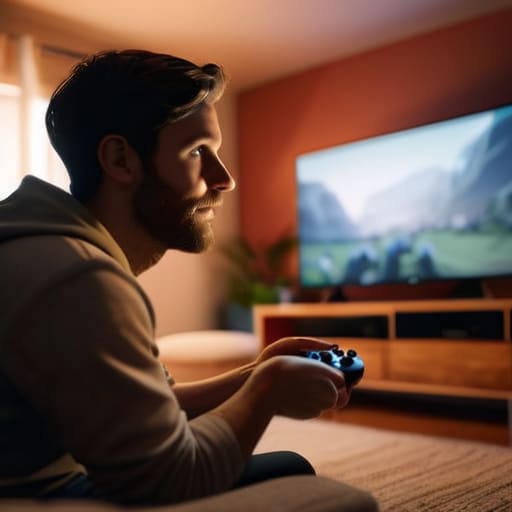
Look, if you’ve done this right, you haven’t just dumped a massive manual of mechanics onto their lap. You’ve broken down the patterns, skipped the useless fluff, and kept the learning curve from becoming a brick wall. The goal isn’t to turn them into a pro overnight; it’s to make sure they don’t feel like a total idiot the second a match actually starts. Focus on the core loops and the settings that actually matter, and let the rest of the complexity settle in naturally once they aren’t constantly getting stomped.
At the end of the day, competitive games are a massive time sink, and the only reason you’re teaching them is so you can actually play together without it feeling like a chore. Don’t get so caught up in the meta or the frame-perfect inputs that you forget why you even play these games in the first place. If they’re having fun and they understand the basic rhythm of the match, you’ve already won. Now, stop reading my guides and go jump into a lobby; they’re probably waiting on you.