
Stop looking at the RGB lighting and the “pro-athlete” endorsements; most of it is just expensive marketing designed to separate you from your paycheck. I spent three months grinding ranked in a tactical shooter only to realize my “high-end” mouse was actually causing micro-stutters because the sensor couldn’t handle my low sensitivity. If you’re trying to figure out how to choose a mouse for gaming, you shouldn’t be reading spec sheets written by people who have never actually missed a shot because of hardware failure. Most guides tell you to look at DPI, but DPI is a meaningless number if the shape of the mouse makes your hand cramp after twenty minutes of intense play.
I’m not here to sell you on a brand or a flashy aesthetic. I’m going to give you the actual data on sensor tracking, weight distribution, and click latency—the stuff that actually matters when the boss pattern gets chaotic. I’ve kept a spreadsheet of every sensor and shape I’ve used over the last few years, and I’m stripping away the fluff to tell you what actually performs. This isn’t a product review; it’s a blueprint for finding a tool that doesn’t get in your way.
Table of Contents
Optical vs Laser Sensor Does the Tech Actually Track
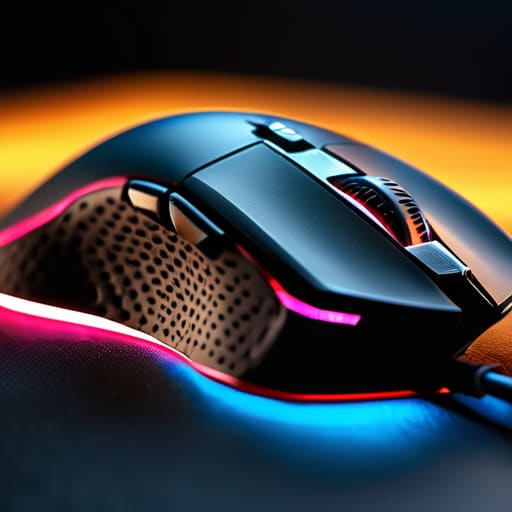
Most people will try to sell you on the “higher numbers” game, but that’s how you end up with a sensor that jitters the second you try to make a micro-adjustment. If you’re looking at optical vs laser sensor specs, ignore the marketing fluff. Laser sensors were fine back when we were playing casual shooters, but they have this tendency to “spin out” or interpret surface textures as movement. In a high-stakes ranked match, that’s how you miss a flick and lose the round.
I’ve spent enough time in spreadsheets to know that an optical sensor is the only way to go if you actually care about consistency. They track much more predictably on almost any surface, which is vital when your movement becomes chaotic. People obsess over dpi vs polling rate, thinking a massive DPI jump is going to make them a pro. It won’t. A high DPI on a bad sensor just means you’re tracking your own hand tremors more accurately. Stick to a high-quality optical sensor with a stable polling rate; anything else is just paying extra for inconsistency.
Dpi vs Polling Rate Why Most Marketing Numbers Are Useless
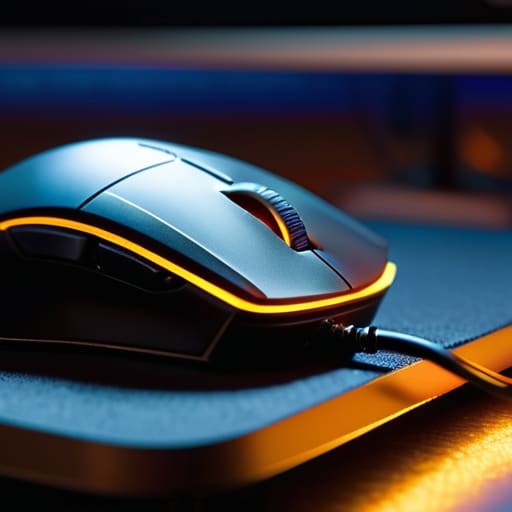
If you’re looking at a box and seeing “25,000 DPI” in giant neon letters, you’re being sold a lie. Most people can’t even use 1,600 DPI without their cursor flying off the screen like a projectile, so chasing higher numbers is a complete waste of mental energy. DPI is just sensitivity; it doesn’t make you better, it just makes the cursor move more. What actually matters is the polling rate, which is how often your mouse tells your PC where it is.
If you’re playing anything competitive, you need a polling rate of at least 1,000Hz. Anything lower and you’ll feel that micro-stutter when you try to track a target during a high-intensity fight. I’ve spent enough hours in ranked to know that consistent input beats high numbers every single time. When you’re debating dpi vs polling rate, ignore the DPI hype and prioritize the frequency. You want the most frequent updates possible to minimize mouse button latency and sensor delay. If the connection isn’t stable and fast, the rest of the specs are just decoration.
Stop Reading the Box and Start Checking These Five Things
- Weight isn’t a preference, it’s physics. If you’re playing high-sens tactical shooters, a heavy mouse is just an anchor that’ll kill your micro-adjustments. I don’t care if it feels “premium” or “solid”—if it’s over 80g and you’re trying to flick, you’re fighting the hardware instead of the enemy.
- Shape is the only thing that actually matters for muscle memory. You can have the best sensor in the world, but if your palm doesn’t sit right, your aim will be inconsistent. Stop trying to force your hand into a “pro” shape you saw on a stream; if your grip feels strained after twenty minutes, ditch it.
- Cable drag is a silent killer. If you aren’t using a mouse bungee, get a wireless mouse or a cable that’s actually flexible. There is nothing more tilting than trying to clear a corner only to have your cord snag on the edge of your desk and pull your crosshair off target.
- Feet matter more than the brand name. Most mice come with mediocre PTFE skates that feel like sliding on sandpaper after a week. If the glide feels inconsistent or “scratchy,” don’t blame your aim—swap the feet for high-quality PTFE ones immediately.
- Switch longevity is a lie. Manufacturers will tell you they last for 80 million clicks, but they won’t tell you when the double-clicking issue starts. If you can afford it, look for optical switches; they use light instead of physical contact, meaning they won’t start misfiring halfway through a ranked climb.
The Bottom Line
Stop looking at the DPI number on the box; unless you’re a literal outlier, anything over 1600 is just marketing noise that won’t help your aim.
Prioritize a high polling rate and a reliable optical sensor over any amount of RGB or aesthetic flair; if the sensor skips during a high-intensity fight, the mouse is trash.
Check the actual sensor model before buying; a “gaming” label doesn’t mean the tracking is consistent when you’re making micro-adjustments.
Stop Overthinking the Spec Sheet
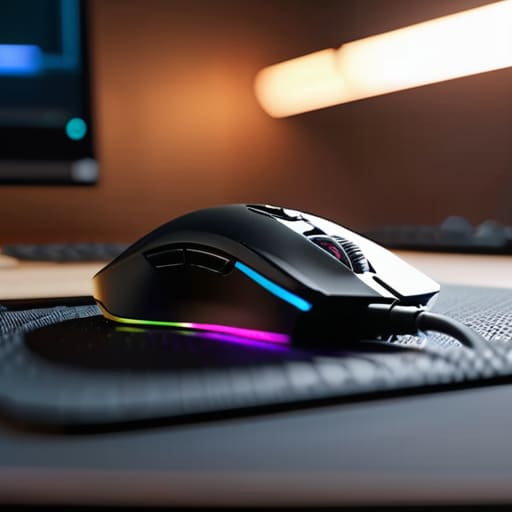
Look, if you’ve read this far, you already know that most of the numbers on the box are just there to bait people who don’t know better. Stop chasing the highest DPI possible; your hand physically cannot move fast enough to make 25,000 DPI useful, and you’re just adding noise to your sensor. Focus on the stuff that actually matters: getting an optical sensor that won’t spin out when you’re frantically trying to track a target, and ensuring your polling rate is stable so your inputs don’t feel like they’re stuck in molasses. If the weight feels wrong or the shape makes your hand cramp after twenty minutes of a ranked session, no amount of technical superiority will save your performance. Buy for the sensor and the shape, not the marketing fluff.
At the end of the day, a mouse is just a tool to bridge the gap between your brain and the game. You can spend six months reading every forum thread and updating your spreadsheet, but the gear won’t play the game for you. The goal isn’t to own the “perfect” mouse; it’s to find the one that disappears from your consciousness the moment you start playing. Once you stop thinking about your settings and start actually learning the patterns, you’ve won. Now stop reading and go get some practice in.