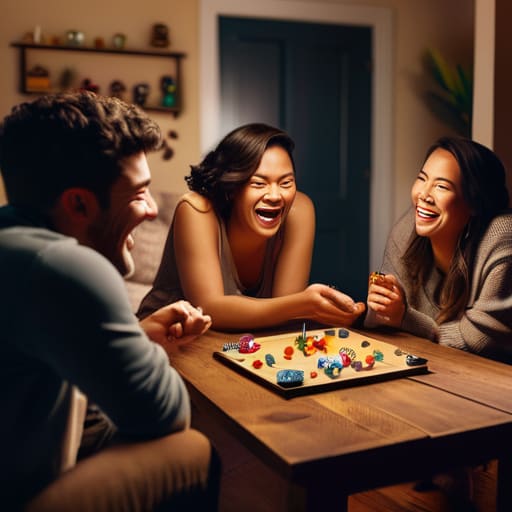

Stop buying $300 board games or spending three hours setting up a local server just to prove you’re a “dedicated host.” Most of the advice you see online about how to run a game night with friends is just a list of ways to turn a fun evening into a logistical nightmare. I’ve sat through enough “epic” sessions that died in the first twenty minutes because someone spent the entire night reading a rulebook or troubleshooting a controller connection instead of actually playing. If you’re spending more time on the setup than the actual gameplay, you aren’t hosting a night; you’re managing a project, and that’s a quick way to make sure nobody ever asks to come over again.
I’m not here to give you a checklist of party snacks or aesthetic lighting tips. I’m going to show you how to build a framework that actually works by focusing on mechanical compatibility and player momentum. I’ll cover how to pick titles that don’t have a massive learning curve, how to manage the inevitable “analysis paralysis” that kills the vibe, and why you should always have a fallback game ready. No fluff, no hype—just the specific steps to ensure you spend your time playing, not troubleshooting.
Table of Contents
Cutting the Fluff With Best Board Games for Groups
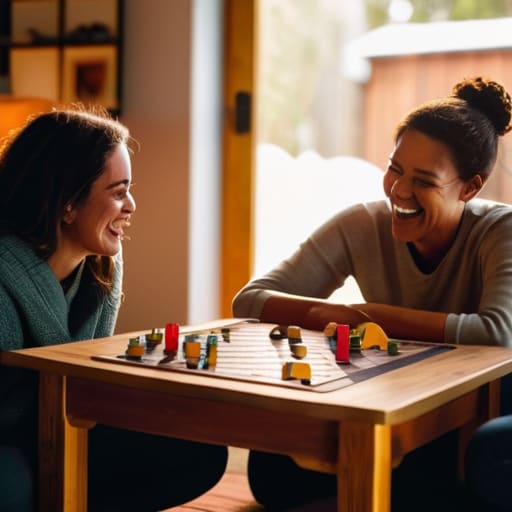
Most people treat game night like a chore because they pick titles with too much overhead. If you spend forty minutes reading a rulebook for a game that lasts twenty, you’ve already lost the room. When looking for the best board games for groups, ignore the heavy strategy manuals and focus on high-engagement, low-friction mechanics. I’m talking about games where the barrier to entry is near zero. If the rules aren’t intuitive within three minutes, ditch them. You want games that facilitate interaction, not games that force everyone to stare at a board in silence while they calculate math.
When you’re managing game night logistics, the goal is to keep the momentum moving. Avoid anything with a “setup phase” that takes longer than the actual play session. I’ve seen too many nights die because someone spent half an hour sorting tokens into tiny bowls. Stick to party game ideas for adults that rely on social deduction or quick-fire reactions—things like Codenames or Wavelength. These keep the energy high and ensure that even the person who isn’t “a gamer” actually stays engaged instead of checking their phone.
Managing Game Night Logistics Before the Grind Starts
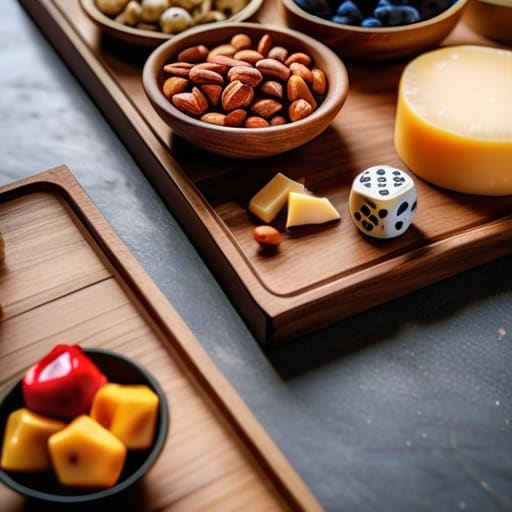
Most people treat the setup like an afterthought, then spend the first hour of the night troubleshooting why the Wi-Fi is dropping or why nobody can find the dice. If you’re serious about managing game night logistics, you need to treat it like pre-match prep. Send a group text forty-eight hours early. Not to “check in,” but to lock down the headcount and dietary restrictions. There is nothing that kills the momentum faster than realizing halfway through a session that two of your players can’t eat anything you’ve put on the table.
Don’t overcomplicate the environment. You don’t need a professional studio setup, but you do need a clear surface and enough lighting so people aren’t squinting at tiny text on a card. If you’re looking for hosting tips for social gatherings that actually work, keep the food separate from the game components. I’ve seen too many high-stakes sessions ruined by greasy fingers on expensive board games. Set up a dedicated station for drinks and snacks in another area. It keeps the play area clean and prevents the “snack lag” that happens when everyone stops playing just to grab a handful of chips.
The Mechanics of a Non-Toxic Session
- Hard-cap your player count. If you have six people and a game designed for four, you aren’t “playing a game,” you’re watching a group of people take turns waiting for their dopamine hit. Stick to the player limit or pick a game with high player interaction.
- Set a hard stop time. Nothing kills the vibe faster than a session that bleeds into 2 AM when half the group has work at 8. If the game takes three hours, start at 7 PM. Period.
- Kill the “Rules Lawyer” before it starts. If someone spends twenty minutes arguing over a niche edge case in a casual setting, the momentum dies. Agree on a “house rule” immediately and move on. The goal is play, not a legal debate.
- Ban the “Analysis Paralysis” loop. If a friend is staring at their hand for ten minutes, give them a nudge or a timer. A slow game is a dead game. I’d rather play a slightly unbalanced game that moves fast than a “perfect” one that feels like a slog.
- Curate the snack-to-component ratio. If you’re playing a game with expensive cards or delicate miniatures, keep the Cheeto dust away from the table. Greasy fingers are the fastest way to turn a fun night into a cleanup chore.
The TL;DR for a Non-Toxic Game Night
Stop picking games with 40-page rulebooks; if people spend the first hour reading a manual, you’ve already lost the momentum and the night is dead.
Set a hard start time and a definitive end time so the “just one more round” loop doesn’t turn into a 3 AM burnout session that everyone regrets on Monday.
Curate the library based on the actual skill ceiling of the group—don’t force a heavy strategy game on people who just want to kill time and talk.
Stop Overthinking the Setup
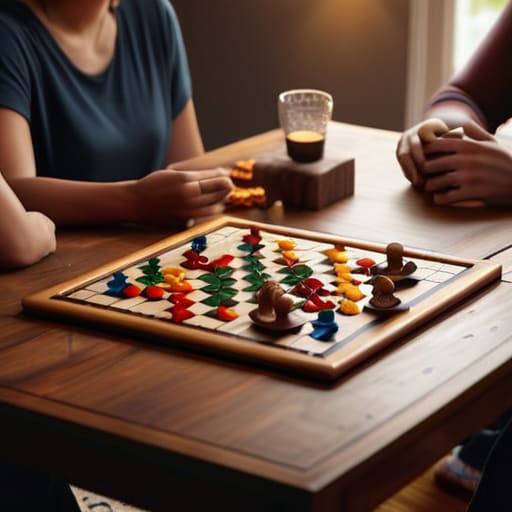
Look, if you’ve followed the logic so far, you know the goal isn’t to host a professional tournament or a flawless event. It’s about eliminating the friction that turns a fun evening into a chore. You pick the right games to avoid the mid-session slump, you sort out the logistics early so you aren’t spending forty minutes hunting for a missing rulebook, and you keep the mechanics tight. When you stop obsessing over the perfect aesthetic and start focusing on the actual gameplay loop, you stop wasting time on the fluff. A successful night isn’t about how many snacks are on the table; it’s about ensuring the transition from arrival to active play is as seamless as possible.
At the end of the day, most people fail at game nights because they treat the social aspect like a secondary objective. It isn’t. The games are just the engine; the people are the point. Don’t get so caught up in the “meta” of being a perfect host that you forget to actually sit down and play. If the rules are slightly messy or the snacks run out early, it doesn’t matter as long as the mechanics of the evening feel rewarding. Stop trying to optimize for perfection and just start the session. The best way to learn how to run a good night is to run one, fail, and adjust the settings for next time.