

Stop listening to the “completionist” gurus who tell you that you need to find every single hidden collectible or unlock a secret skin to truly experience a title again. That’s not playing; that’s a second job with worse pay. Most of those guides are just fluff designed to inflate playtime, and they usually end up turning a masterpiece into a mindless chore. I’ve spent too many hours chasing empty trophies only to realize I hadn’t actually learned anything new about the mechanics or the world. If you’re looking for how to replay a game and see new things without hitting a massive grind wall, you have to stop playing for the checklist and start playing for the patterns.
I’m not here to give you a list of every easter egg tucked into a corner. Instead, I’m going to show you how to actually shift your perspective—whether that’s through specific build changes that force you to engage with different boss mechanics or by intentionally ignoring the “optimal” path to see what the developers actually hid in the margins. This is about meaningful engagement, not just running the same loop with a different weapon.
Table of Contents
Break the Build Testing Alternative Character Builds
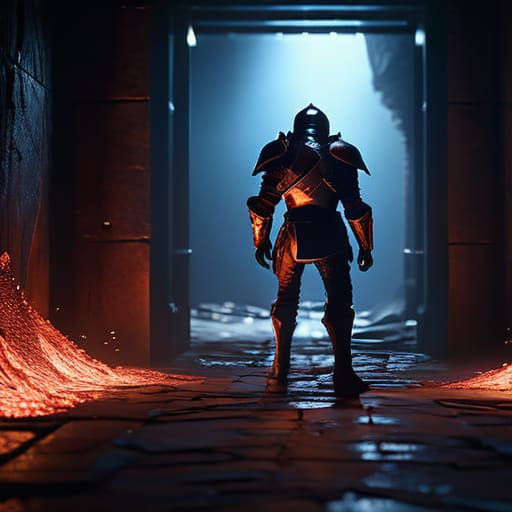
Most people finish a game by sticking to the same reliable meta—the build that got them through the final boss without a headache. If you’re replaying just to see the same combat loop, you’re wasting your time. You need to force yourself into alternative character builds that completely change your relationship with the game’s math. If you spent your first run as a heavy tank, go full glass cannon. If you relied on long-range spells, switch to a high-mobility melee setup.
It’s not just about the numbers changing; it’s about gameplay mechanics exploration. When you change your kit, you stop playing defensively and start seeing how the engine actually handles certain interactions. You’ll find that certain enemy patterns you previously dodged become manageable through aggression, or that certain environmental hazards that felt like walls are actually bypassable with the right movement set. Stop playing it safe. If you don’t intentionally break your playstyle, you aren’t actually replaying the game—you’re just re-watching a movie you’ve already seen.
Master the Rhythm Deep Gameplay Mechanics Exploration

Most players treat mechanics like a checklist: learn the combo, beat the boss, move on. If you’re replaying, that’s a waste of time. You need to stop playing for the win state and start playing for the input density. I’m talking about frame-perfect cancels or specific animation loops that you ignored because they weren’t “meta” during your first run. If the game has a stamina or mana management system, stop just topping it off. Test the exact threshold where your efficiency drops. True gameplay mechanics exploration happens when you stop playing the way the tutorial told you to and start exploiting the engine’s actual limits.
This is also where you catch the stuff the developers hid in the friction. When you stop rushing to the next checkpoint, you actually notice the environmental storytelling details that don’t trigger during a standard playthrough. I’ve spent hours in games just watching how NPC idle animations change based on the time of day or the player’s current gear. It’s not about finding a gold star; it’s about realizing the world is actually reacting to you in ways the first playthrough was too frantic to notice.
Stop Playing on Autopilot: 5 Ways to Actually Find New Content
- Audit your UI and HUD. Most of us turn everything on during the first run just to survive. On a replay, strip the screen back. Turn off the mini-map or the combat indicators if the game allows it. If you aren’t looking at the environment because you’re staring at a waypoint marker, you aren’t actually playing the game; you’re just following a GPS.
- Force a different pacing. If you spent your first playthrough rushing to the next checkpoint to see the story, do the opposite. Stop at every single interactable object. I’m talking about every book, every corpse, and every weirdly placed texture. If the devs put a note in a corner, there’s usually a reason, even if it’s just world-building fluff.
- Change your camera perspective or FOV. If the game has a slider, mess with it. I have a spreadsheet of sensitivity settings for a reason—changing how you perceive the space around you changes how you approach encounters. A wider FOV might reveal environmental cues you missed when you were tunnel-visioned on a boss’s hitbox.
- Hunt for the “unintended” mechanics. In my first 500 hours of any competitive title, I play by the rules. In the next 500, I’m looking for the exploits, the movement tech, and the frame-perfect skips. Don’t just play the game as intended; look for the cracks in the engine. That’s where the real depth is hidden.
- Ignore the “meta” guides. The second you finish a game, the internet will tell you the “optimal” way to play. Ignore it. If the community says you need a specific weapon to beat a zone, go the other way. Trying to beat a segment with a sub-optimal tool forces you to learn the actual mechanics of the fight rather than just leaning on a broken stat spread.
The Bottom Line
Stop playing the same way you did the first time; if you aren’t actively forcing yourself into sub-optimal gear or weird skill trees, you’re just idling.
Stop looking at the cutscenes and start looking at the frame data—true replayability is found in the mechanical nuances, not the story beats you’ve already memorized.
If the gameplay loop starts feeling like a chore rather than a challenge, you’ve likely hit a grind wall that isn’t worth breaking; walk away or change your approach entirely.
Stop Playing on Autopilot

At the end of the day, replaying a game isn’t about checking off a completionist list or hunting for every single shiny item. It’s about intentionally breaking the habits you formed during your first run. If you aren’t actively stress-testing your mechanics or forcing yourself into a build that feels uncomfortable, you aren’t actually playing the game—you’re just running a script. Whether you’re tweaking your input settings to find a tighter window or pivoting to a completely different playstyle to see if the boss patterns actually shift, the goal is to strip away the muscle memory. You have to stop playing on autopilot if you want to see if the game actually has depth or if you were just coasting on familiarity.
Most people finish a game and immediately move to the next shiny thing because they think they’ve seen everything there is to see. They haven’t. They’ve just seen the surface level. Real mastery, or even just a genuine understanding of why a game works, comes from the friction of doing things the hard way. Don’t settle for the easy path just because you already know where the checkpoints are. Go back, mess up your optimized setup, and find the friction. That’s where the actual game lives, tucked away behind the layers of habit you built up during your first twenty hours.